

This new year is all about health. We set goals, create routines, and focus on prevention, not just fixing problems when they happen. While your pool may not be getting much use right now, this is actually the most important time to think about your pool’s health, starting with the equipment pad.
Your pool’s equipment pad is where all of its vital systems come together. Every component works together to keep water clean, balanced, and ready for swimming season. Ignoring it during the cooler months can lead to costly repairs, efficiency issues, and delayed openings when spring arrives. That's why the Pool Pros at Pinch A Penny are always ready to give your system a full health check-up.
Your Pool’s “Body”
Each body system maps to a key piece of your equipment pad—helping keep your pool healthy year-round.
Hover (or tap) to see what each part does

Your Pool’s Health
Just like the human body, your pool relies on multiple systems working together. When one system struggles, others feel the impact. Winter is the ideal time to inspect, clean, and prepare your equipment so your pool is ready to perform when warmer weather returns. Think of this as preventive care for your pool, not emergency repair.
Understanding Equipment Pad Health and Why It Matters
Equipment pad health refers to how well your pool’s core systems function together: circulation, filtration, heating, sanitization, and water flow. When these systems are maintained year-round, your pool runs more efficiently, lasts longer, and costs less to operate. To make it simple, your pool’s equipment pad works much like the human body, each part has a critical role to play.
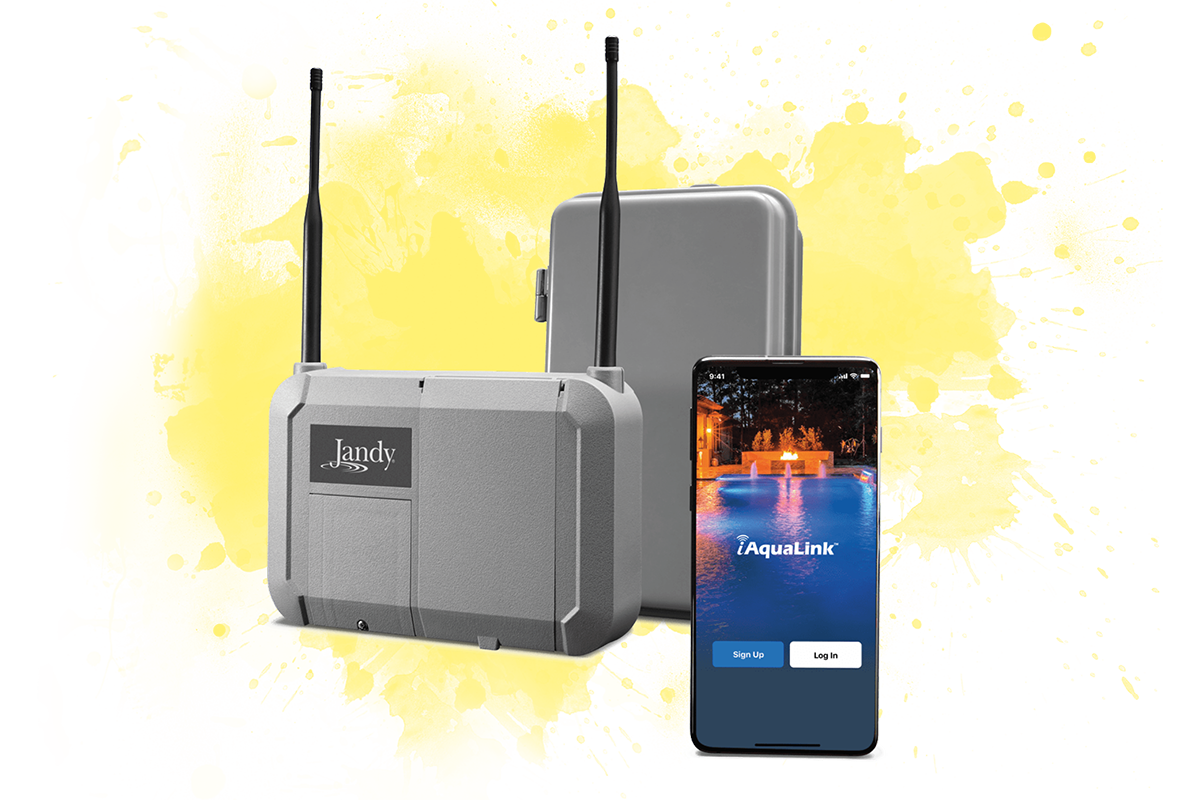
Pool Automation Systems: The Brain Behind Your Pool Equipment
Pool automation systems control how your pump, heater, lights, and other equipment work together. Like the brain in the human body, automation sends signals that tell each component when to turn on, how long to run, and how to operate efficiently. With automation, your pool systems stay coordinated—reducing manual adjustments and improving consistency.
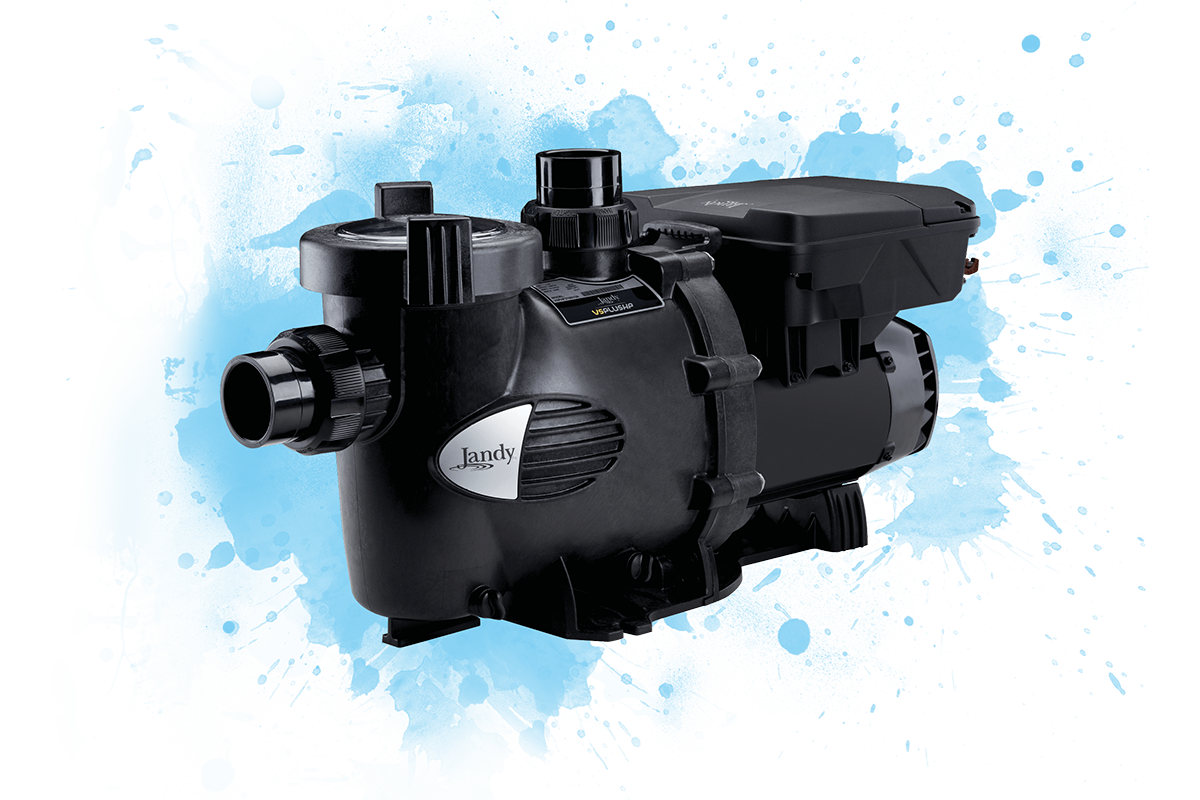
Pool Pump: The Heart of Your Pool’s Circulation System
Your pool pump circulates water through your entire pool circulation system, making it one of the most important components to check during a routine equipment inspection. Like the heart in the human body, it pushes water through the filter, heater, and plumbing before returning it to the pool. Understanding how a pool pump works and recognizing early signs of pool pump problems can help you spot circulation issues before they affect overall pool water quality.
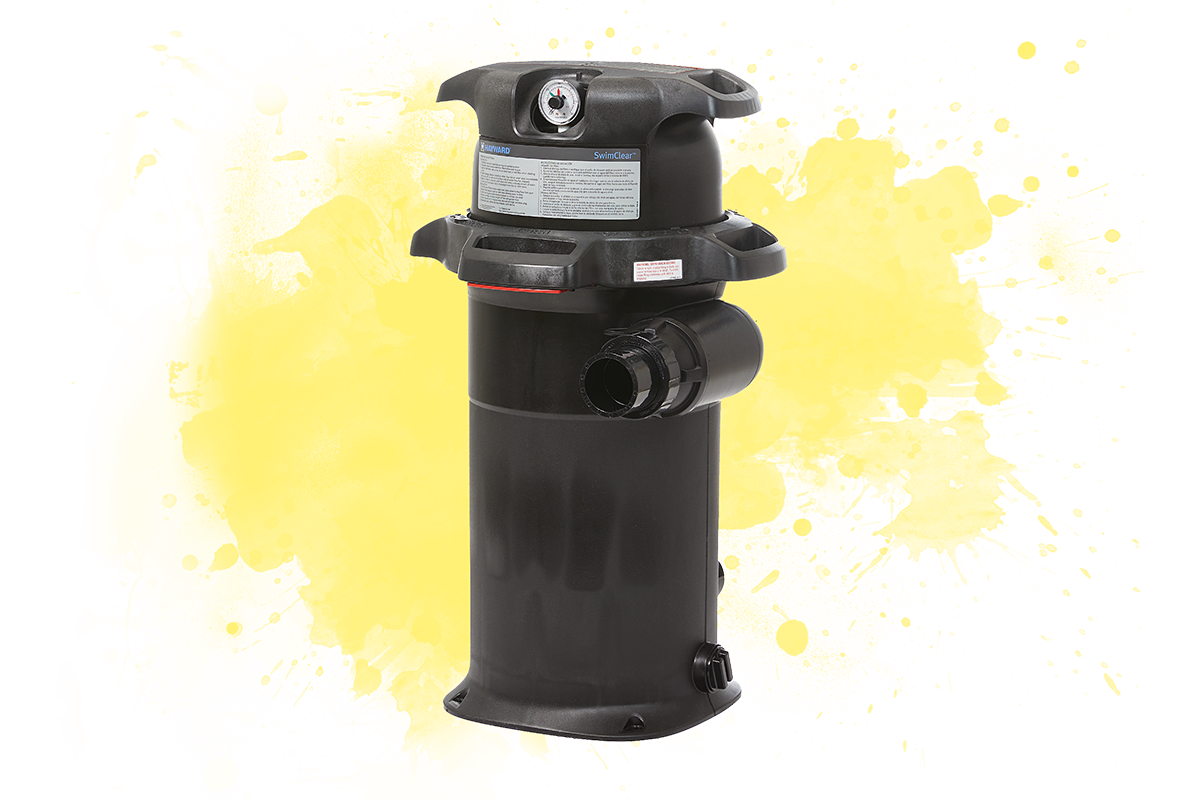
Pool Filter: Keeping Your Pool Water Clean and Clear
Your pool filter removes dirt, debris, and contaminants from the water as it circulates through the system. Like lungs filtering oxygen for the body, it ensures clean, filtered pool water returns to the pool. When a filter becomes dirty or clogged, water quality suffers and other equipment has to work harder.
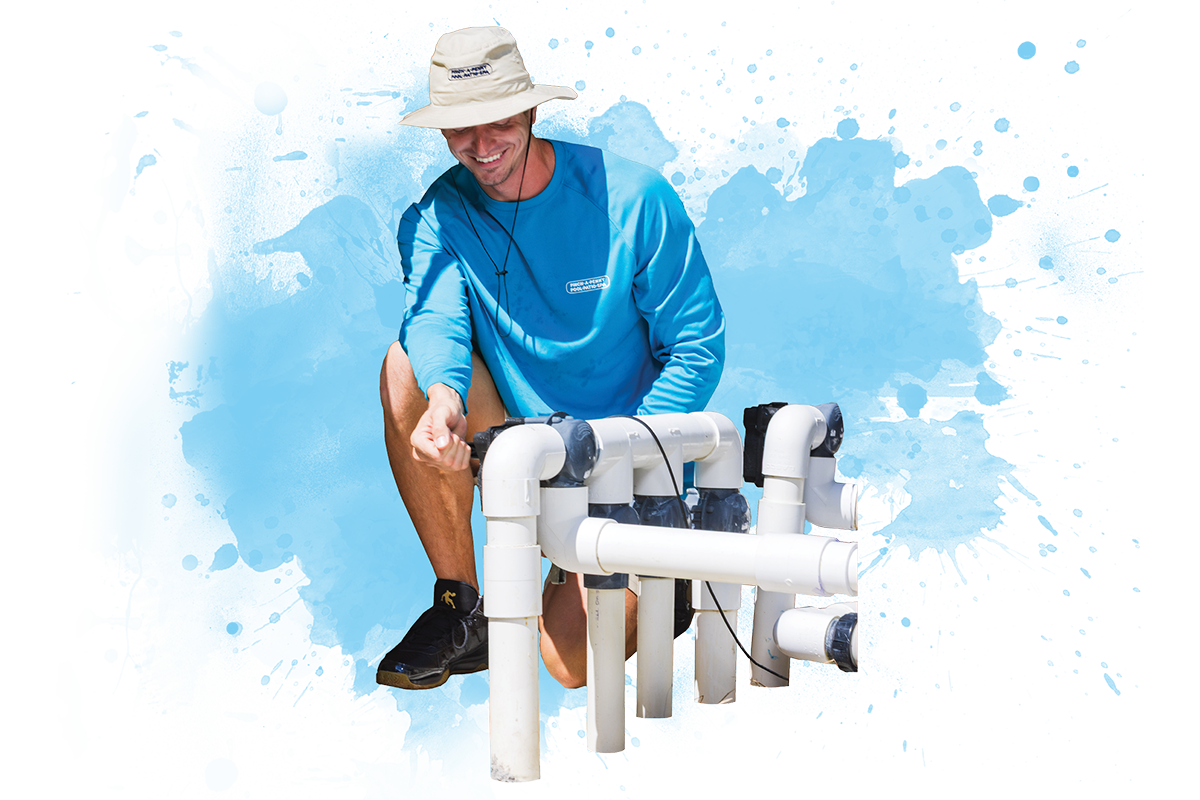
Pool Pipes and Valves: How Water Moves Through Your Pool
Pool pipes and valves transport water between your pool, pump, filter, heater, and other equipment. Think of them as the veins and arteries of your pool system—when water flows freely, everything runs smoothly. Leaks, clogs, or valve issues can restrict circulation and reduce overall system performance.
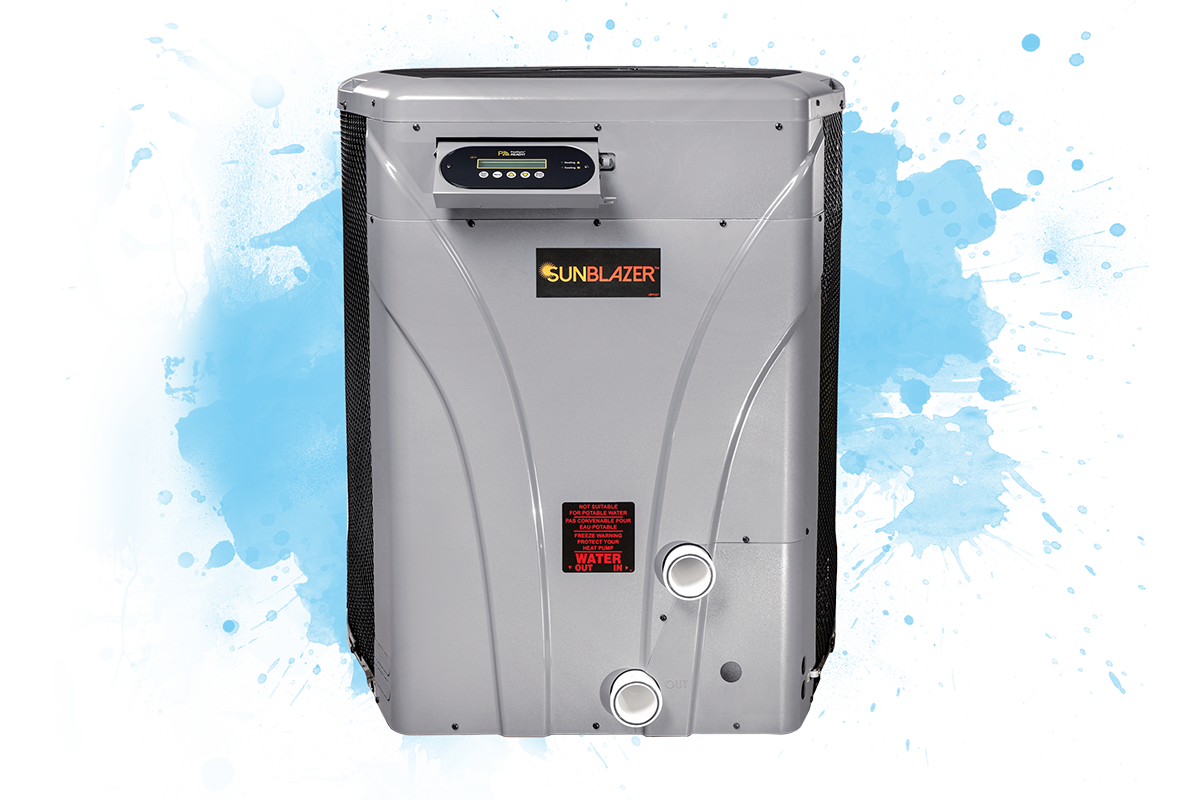
Pool Heater: Controlling Water Temperature Efficiently
A pool heater regulates water temperature so your pool stays comfortable during cooler weather. Much like metabolism helps the body maintain stable conditions, the heater keeps your pool’s temperature consistent and usable. Proper pool heater maintenance helps it to operate efficiently and prevents breakdowns when you need it most.
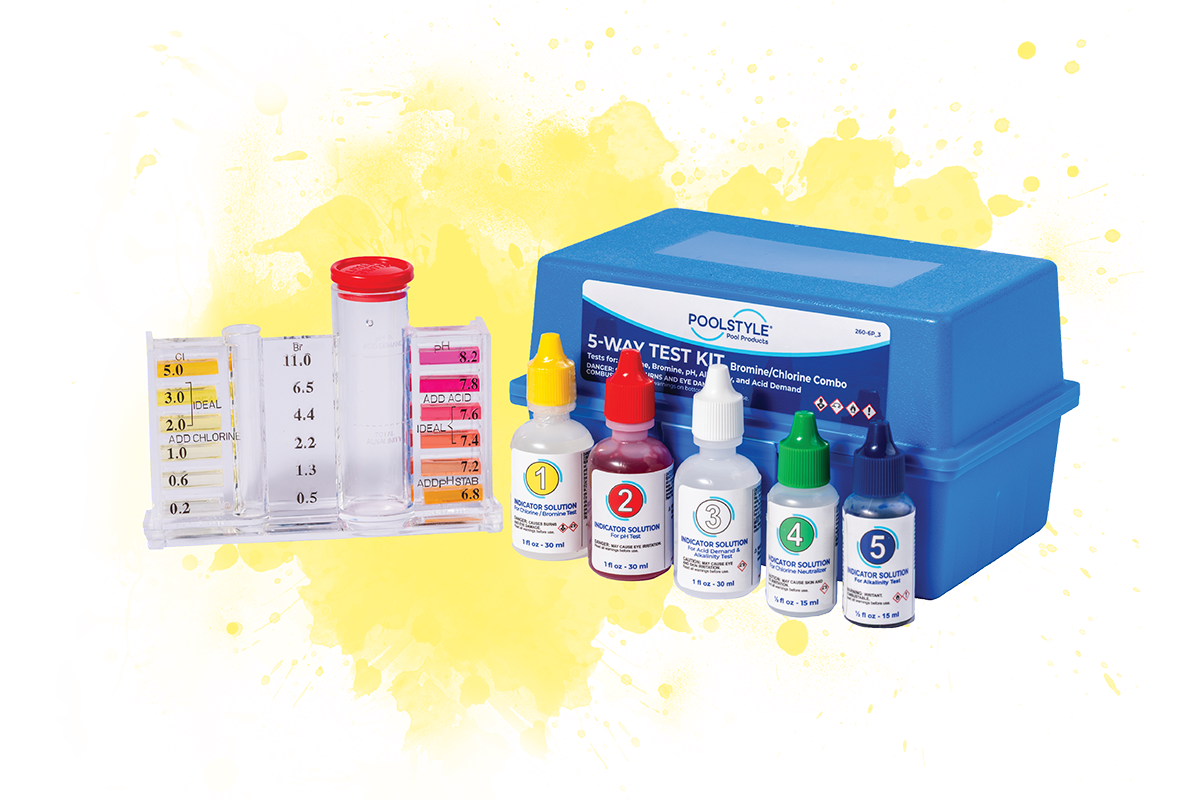
Pool Water Chemistry: Protecting Your Pool From Algae and Damage
Balanced pool water chemistry protects your pool from algae, bacteria, and equipment damage. Just like the immune system defends the human body, proper chemical balance helps prevent problems before they start. Poor water chemistry can shorten equipment lifespan and create unsafe swimming conditions.
Why Preventive Pool Care Saves Money (and Stress)
Preventive maintenance helps avoid emergency repairs, improves efficiency, extends equipment lifespan, and ensures your pool is ready when temperatures rise. Small checks now can prevent big problems later.
When to Call a Pro for Equipment Pad Service
If you notice leaks, pressure drops, unusual noises, or inconsistent performance, it may be time for professional service. Trained technicians can inspect and service equipment across all major brands.
Winter is the season for smart pool care habits and long-term thinking. By focusing on equipment pad health now, you’re setting your pool up for a smooth, stress-free swimming season ahead. A healthy pool doesn’t start in spring. It starts now.
Share This Post
Related Tags
Up Next
 Host Your Poolside Fall Fest
We've got everything you need to bring your back yard to life!
Host Your Poolside Fall Fest
We've got everything you need to bring your back yard to life!